

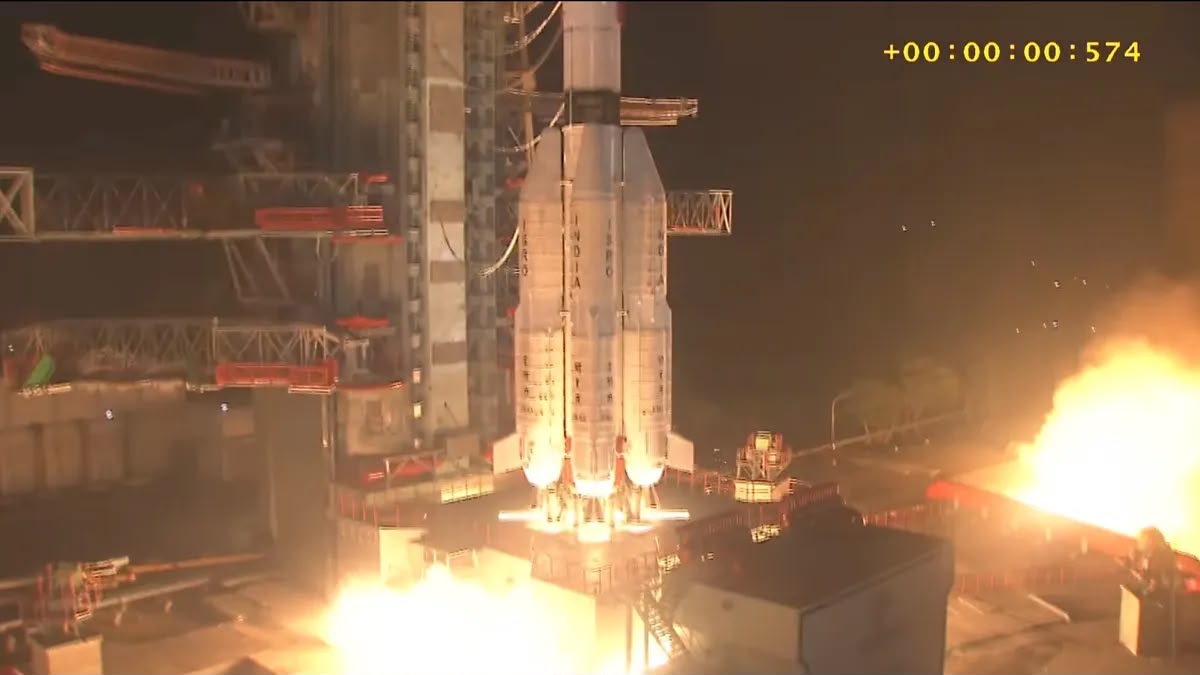
India achieved another major spaceflight milestone today with the successful launch of its next-generation navigation satellite, NVS-03, aboard a Geosynchronous Satellite Launch Vehicle (GSLV) Mark II rocket. The rocket lifted off from the Satish Dhawan Space Centre at 2:21 p.m. EDT (18:21 GMT / 11:51 p.m. IST). Approximately 30 minutes after liftoff, officials from the Indian Space Research Organisation (ISRO) confirmed via X that the spacecraft was successfully deployed into its intended Geostationary Transfer Orbit.
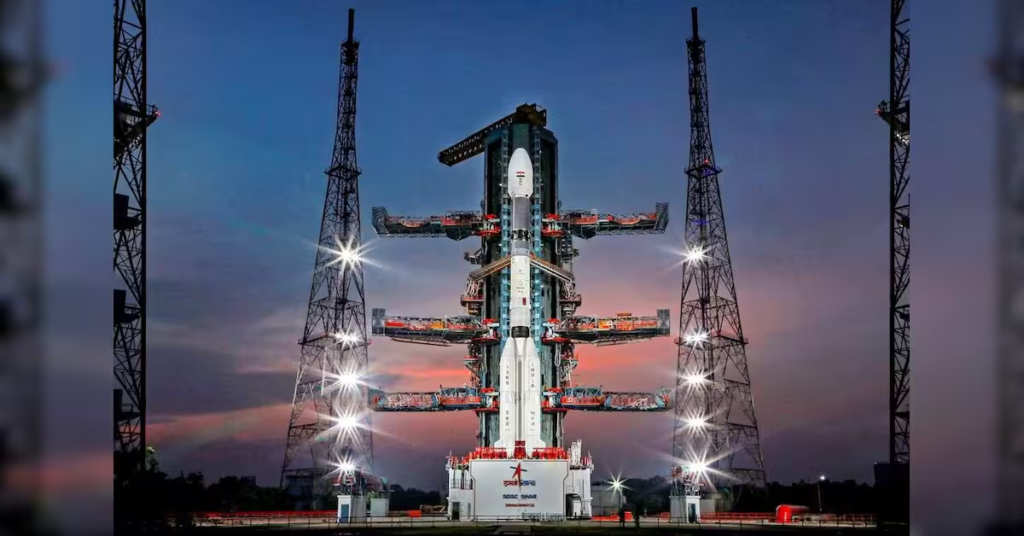
The NVS-03 satellite is the third next-generation spacecraft launched to bolster NavIC (Navigation with Indian Constellation), India’s regional alternative to the United States’ Global Positioning System (GPS). Operating on a regional scale, NavIC is designed to deliver highly accurate Position, Navigation, and Timing (PNT) services to users across India and within a primary coverage area extending about 1,500 kilometers (930 miles) beyond the nation’s borders.
The GSLV Mark II rocket utilized for this mission has been in active service since its debut in 2010, succeeding the earlier Mark I model which flew six times before its retirement. Today’s success marks India’s fourth orbital launch of 2026 and the third conducted by ISRO this year, alongside a milestone orbital launch achieved in July by private aerospace firm Skyroot Aerospace.